


+44 85214796

🦷 Buttercross Dental Practice

Tooth Extractions at Buttercross Dental Practice

Although preserving your natural teeth is always our priority, there are times when removing a tooth may be the most appropriate way to protect your oral health, relieve discomfort or support further treatment. At Buttercross Dental Practice, tooth extractions are carefully planned and carried out with your comfort and wellbeing in mind.

We understand that the prospect of having a tooth removed can make some patients feel anxious. Our team will take the time to explain why an extraction has been recommended, what the procedure involves and what you can expect afterwards. You will also have the opportunity to ask questions before deciding whether to proceed.
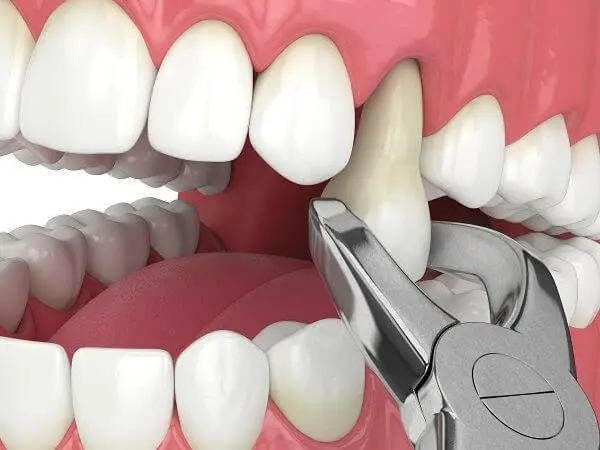
Tooth extractions at Buttercross Dental Practice
😊
Caring & Professional Your Comfort First
Why a tooth might need to be removed

Before recommending an extraction, your dentist will examine your mouth and may take digital X-rays where clinically necessary. We will consider whether the tooth can be saved and discuss any appropriate alternatives, along with their benefits, limitations and likely costs.

Why might a tooth need to be removed?

A tooth extraction may be recommended when a tooth cannot be predictably repaired or when keeping it could affect the health of the surrounding teeth and tissues. Common reasons include:

  • Extensive decay that has left too little healthy tooth structure
  • A severe crack or fracture that cannot be restored
  • Advanced gum disease resulting in a loose or unsupported tooth
  • Infection that cannot be resolved with root canal treatment
  • Impacted, damaged or repeatedly infected wisdom teeth
  • The need to create space as part of orthodontic treatment
  • Preparation for dentures, dental implants or another planned treatment

What happens during a tooth extraction?

Before treatment begins, local anaesthetic is used to numb the tooth and the surrounding area. You may feel pressure or movement during the procedure, but you should not feel sharp pain. Please let us know at any point if you are uncomfortable so that we can respond appropriately.

The dentist will carefully loosen and remove the tooth using techniques suited to its position and condition. Some teeth can be removed with a straightforward extraction, while others may require a more involved surgical procedure. If specialist care is appropriate, we will explain this and arrange a referral where necessary.

Once the tooth has been removed, we will check the area and provide clear aftercare instructions. In some cases, stitches may be needed to support healing.

💉

Local Anaesthetic

The tooth and surrounding area are numbed before treatment so you feel pressure but not sharp pain.

🦷

Careful Removal

The tooth is carefully loosened and removed using techniques suited to its position and condition.

📋

Clear Aftercare

We check the area and provide personalised aftercare instructions before you leave the practice.

Looking after your mouth following an extraction

A blood clot forms in the socket after an extraction and plays an important role in the healing process. Avoid disturbing the area and follow the personalised advice provided by your dentist.

Aftercare may include resting and avoiding strenuous activity for the recommended period, not rinsing or spitting forcefully initially, choosing soft foods, avoiding smoking, vaping and alcohol, taking suitable pain relief as advised, and cleaning your other teeth carefully while avoiding the socket. Some tenderness and swelling can be expected. Contact the practice if you experience bleeding that does not settle, worsening pain, increasing swelling or any other symptoms that concern you.

Not every extracted tooth needs to be replaced, but leaving a gap can sometimes affect your bite, appearance or ability to chew. Depending on the tooth and your circumstances, possible options may include a dental implant, bridge or denture. We can discuss these choices either before the extraction or once the area has healed. There is no single solution that suits everyone, so any recommendation will be based on your oral health, preferences and treatment goals.

Rest After the Procedure
Soft Foods Recommended
Implant Bridge or Denture Options
Your Personalised Care Plan
Looking after your mouth following a tooth extraction

Arrange an Appointment at Buttercross Dental Practice

If you have persistent toothache, swelling or concerns about a damaged tooth, contact Buttercross Dental Practice. We will assess the problem carefully, discuss whether the tooth can be restored and recommend an extraction only when it is clinically appropriate.

📅 Book Your Appointment

FAQ

1
Why might a tooth need to be removed?
A tooth extraction may be recommended when a tooth cannot be predictably repaired or when keeping it could affect the health of the surrounding teeth and tissues. Common reasons include extensive decay, a severe crack or fracture, advanced gum disease, infection that cannot be resolved with root canal treatment, problematic wisdom teeth, orthodontic planning, or preparation for dentures, implants or other treatment. Before recommending an extraction, your dentist will assess whether the tooth can be saved and discuss any suitable alternatives.
2
Will my dentist always try to save the tooth first?
Yes. Preserving your natural teeth is always the priority where possible. Your dentist will examine the tooth carefully and may take digital X-rays if clinically necessary to understand the problem fully. If there is a realistic way to restore the tooth, this will be discussed along with the likely benefits, limitations and costs.
3
What happens during a tooth extraction?
Before the procedure, local anaesthetic is used to numb the tooth and surrounding area. You may feel pressure or movement, but you should not feel sharp pain. The dentist will then loosen and remove the tooth using techniques suited to its position and condition. Some extractions are straightforward, while others are more complex and may require a surgical approach or referral for specialist care.
4
What should I do after a tooth extraction?
After an extraction, it is important to protect the blood clot that forms in the socket, as this supports healing. You will usually be advised to rest, avoid strenuous activity for a period, avoid rinsing or spitting forcefully at first, choose soft foods, avoid smoking, vaping and alcohol, and take suitable pain relief as advised. You should also keep the rest of your mouth clean while avoiding the extraction site.
5
Is it normal to have pain or swelling afterwards?
Some tenderness, swelling and mild discomfort are normal after a tooth extraction. These symptoms usually improve gradually as the area heals. However, you should contact the practice if bleeding does not settle, pain worsens rather than improves, swelling increases, or you have any other symptoms that concern you.
6
Do I need to replace a tooth after it has been removed?
Not always, but in some cases leaving a gap can affect your bite, appearance or ability to chew comfortably. Depending on the position of the tooth and your overall oral health, replacement options may include a dental implant, bridge or denture. Your dentist can talk you through the most appropriate choices based on your needs and treatment goals.
7
Can I have a tooth extraction near Bungay?
Yes. Buttercross Dental Practice welcomes patients from Bungay and surrounding areas including Beccles, Halesworth, Harleston, Loddon and nearby villages. If you have toothache, swelling or concerns about a damaged tooth, we can assess the problem carefully, explain whether the tooth can be restored and recommend an extraction only when it is clinically appropriate.