


🦷 Buttercross Dental Practice

Root Canal Treatment at Buttercross Dental Practice

Root canal treatment can help save a natural tooth when the soft tissue at its centre becomes inflamed or infected. At Buttercross Dental Practice, we provide careful, patient-focused treatment to relieve discomfort, remove infection and restore the tooth's function wherever possible.

We understand that the tought of root canal treatment can sound daunting. However, modern techniques and local anaesthetic make the procedure more comfortable than many patients expect. We will explain each stage clearly, answer your questions and help you feel at ease throughout your treatment.
Root Canal Treatment at Buttercross Dental Practice
😊
Modern & Comfortable Patient-Focused Care
Root canal treatment process

When might root canal treatment be needed?

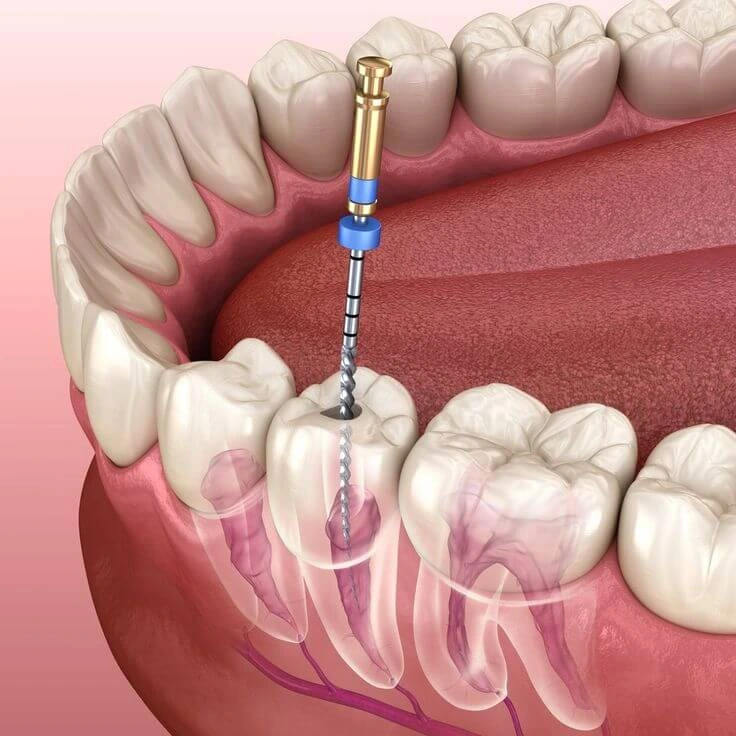
Inside every tooth is a soft tissue called the dental pulp, which contains nerves and blood vessels. If bacteria reach this tissue through deep decay, a crack, trauma or a failing filling, the pulp can become inflamed or infected. Without treatment, the infection may spread into the tissues surrounding the root and lead to an abscess.

Possible signs that a tooth requires assessment include:

  • Persistent toothache or throbbing pain
  • Sensitivity to hot or cold that lingers
  • Pain or discomfort when biting and chewing
  • Swelling or tenderness around the tooth
  • A small spot or swelling on the gum
  • Darkening or discolouration of the tooth

In some cases, an infected tooth causes few or no noticeable symptoms and is only identified during a dental examination or on an X-ray. These symptoms can also have other causes, so an assessment is needed to determine the most appropriate treatment.

What does root canal treatment involve?

We will examine the tooth and take X-rays to assess its roots and the surrounding bone. If root canal treatment is recommended, we will explain the procedure, relevant risks, alternatives and expected costs before asking for your consent.

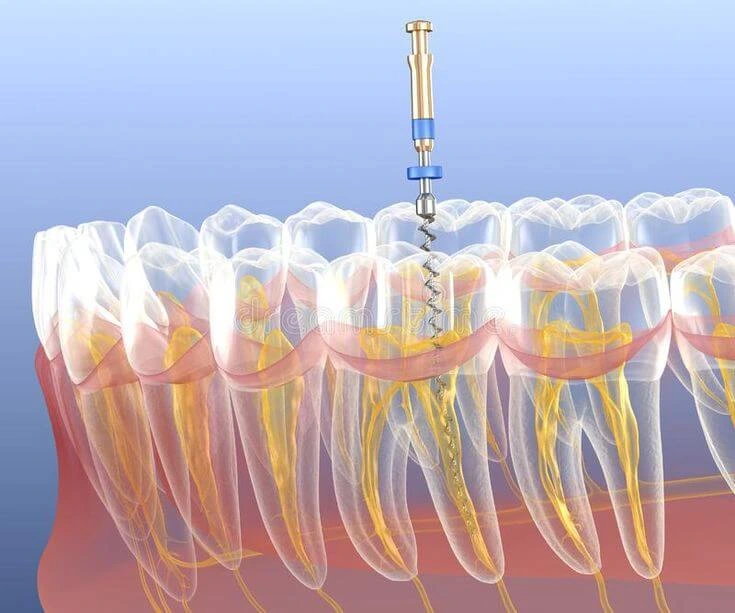
Local anaesthetic is used to numb the tooth and surrounding area, helping to keep you comfortable throughout the procedure. A small opening is made in the tooth so the inflamed or infected pulp can be carefully removed. The root canals are then cleaned, shaped and disinfected to reduce bacteria.

Once prepared, the canals are filled and sealed to help prevent reinfection. Depending on the tooth and the complexity of treatment, the procedure may be completed in one visit or over multiple appointments. A temporary filling may be placed between visits where necessary.

🔍

Examination & X-rays

Careful assessment of the tooth, roots and surrounding bone.

💉

Local Anaesthetic

The area is numbed to ensure you are comfortable throughout the procedure.

🦷

Cleaning & Sealing

The root canals are cleaned, disinfected and sealed to help prevent reinfection.

Restoring the tooth after treatment

A tooth that has had root canal treatment can be more vulnerable to fracture, particularly if it has already lost a significant amount of tooth structure through decay or previous fillings. After treatment, it is important to protect the tooth with a suitable permanent restoration.

In some cases, a filling will provide sufficient protection. However, if the tooth has been heavily weakened, particularly a back tooth that is exposed to greater biting forces, we may recommend an onlay or crown to help strengthen and protect it.

At Buttercross Dental Practice, we use digital scanning technology to plan custom-made restorations without the need for traditional dental impressions.

We'll discuss the most appropriate option with you based on the amount of healthy tooth remaining, the position of the tooth and your bite.

Strong Permanent Restoration
Digital Scanning Technology
Custom Made Protection
Long-Term Tooth preservation
Restoring tooth after root canal

Arrange an Assessment at Buttercross Dental Practice

If you have persistent toothache, sensitivity or swelling, we'd be happy to help. Prompt assessment may improve the chances of saving the affected tooth. We'll carefully assess the problem, explain your treatment options clearly, and help you make an informed decision about your care.

📅 Book Your Assessment

FAQ

1
How do I know whether root canal treatment is better than having the tooth removed?
That depends on how much healthy tooth structure remains, how predictable the long-term outcome is, and whether the tooth can be restored properly afterwards. Saving a natural tooth is often the preferred option where possible, but extraction may sometimes be the better treatment. We'll explain the benefits and limitations of each option so you can make an informed decision.
2
Is root canal treatment always successful?
Root canal treatment has a high success rate, but no dental procedure can be guaranteed in every case. The long-term outcome depends on factors such as the shape of the roots, the extent of infection and how well the tooth can be sealed and restored afterwards. Regular reviews help monitor the tooth over time.
3
Can a tooth need root canal treatment again in the future?
Yes, occasionally a previously treated tooth may need further care if symptoms return or if reinfection develops. This can happen if the original infection was complex, the restoration leaks, or the tooth develops a new crack or decay. Your dentist can assess whether retreatment or another option is most appropriate.
4
Will the tooth be weaker after root canal treatment?
It can be, particularly if the tooth has already lost a lot of structure before treatment. That is why the final restoration is an important part of protecting it for the future. The most appropriate way to protect the tooth depends on its position, how much healthy tooth structure remains and the forces placed on it when you bite.
5
Can I go back to work after root canal treatment?
Most patients can return to normal daily activities quite quickly, often the same day. However, if the tooth was very painful beforehand or the procedure was more involved, you may prefer to take things a little more gently. It is sensible to avoid chewing hard foods on that side until your dentist advises it is safe.
6
What happens if I delay treatment on an infected tooth?
Delaying treatment can allow the problem to worsen and may reduce the chance of saving the tooth. Infection may spread further into the surrounding tissues, and pain or swelling can become more difficult to manage. Early assessment usually gives you more treatment options.
7
Can I get root canal treatment near Bungay?
Yes. Buttercross Dental Practice welcomes patients from Bungay and surrounding areas including Beccles, Halesworth, Harleston, Loddon and nearby villages. If you have ongoing toothache, sensitivity or swelling, we can assess the tooth and advise whether root canal treatment is the most appropriate solution.

Practice Location:

Market Place, Bungay, Suffolk, NR35

Newsletter

Sign up to our newsletter