


Porcelain veneers are thin, custom-made ceramic shells that are bonded to the front surface of suitable teeth to improve their appearance. They can enhance colour, shape, size and symmetry while maintaining a natural-looking smile. At Buttercross Dental Practice, we take a careful and conservative approach, ensuring veneer treatment is only recommended when it is the most appropriate option for your teeth.
Individually Designed
Scanning Workflow
Approach Always First
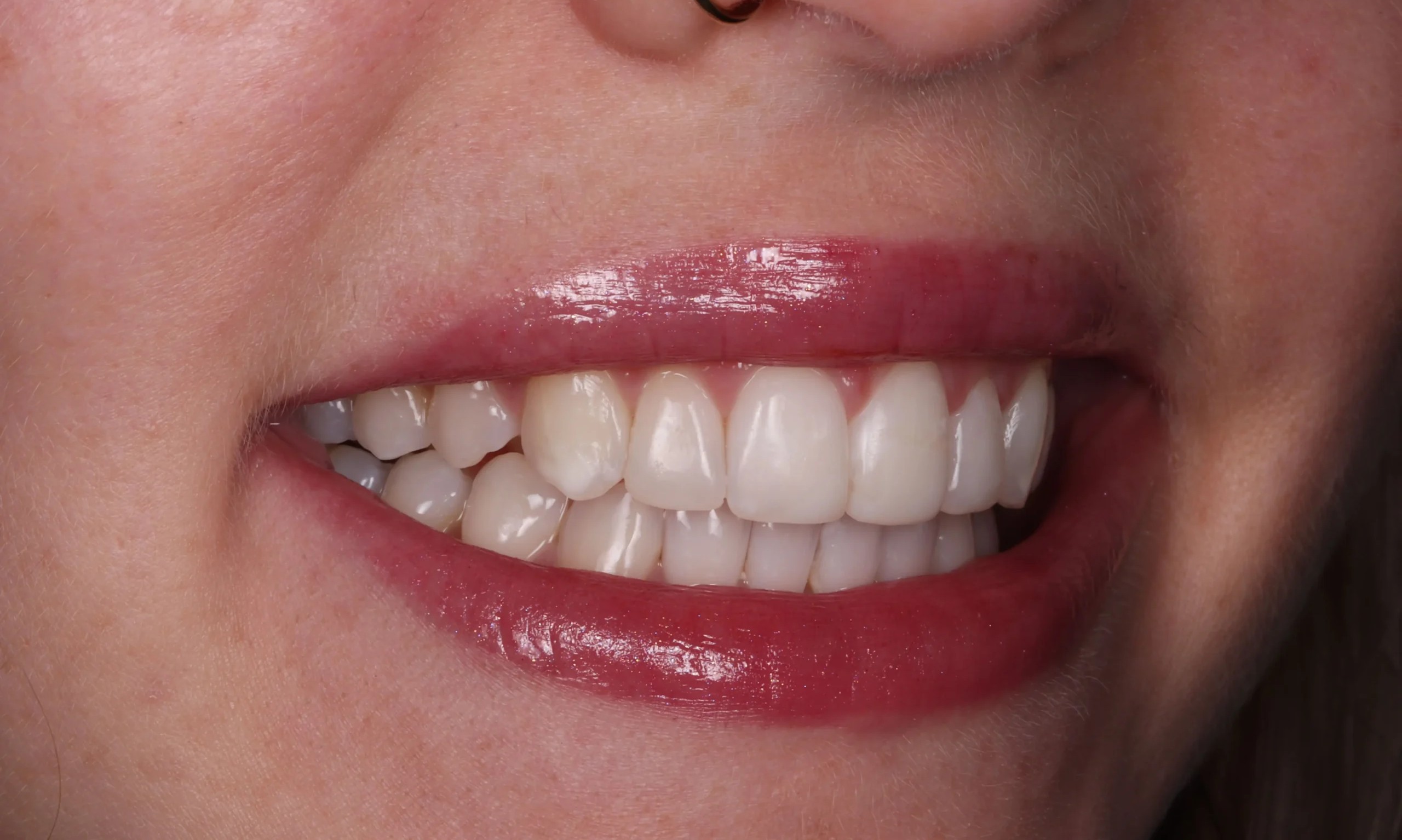
Every veneer is individually designed to suit your smile. Before treatment begins, we'll assess the condition of your teeth, the amount of healthy enamel available and the way your teeth meet when you bite. This careful planning helps us determine whether veneers are likely to provide a predictable and long-lasting result.
Where veneers are not the most appropriate option, we'll discuss suitable alternatives such as teeth whitening, composite bonding, orthodontic treatment or crowns.
Improve the appearance of chipped, worn or irregular tooth edges
Address certain types of tooth discolouration that whitening may not resolve
Correct uneven, disproportionate or misshapen tooth appearances
Replace existing veneers that need updating or improving

Veneer Design
Porcelain veneer treatment at Buttercross Dental Practice follows one clear, carefully staged journey — from your initial consultation and planning, through to your fitting appointment. Each step is explained clearly so you can make an informed decision about whether to proceed.
Your consultation begins with a discussion about your concerns and the result you hope to achieve. Your dentist will examine your teeth, gums and bite, review any existing restorations, and explain whether veneers or an alternative treatment may be most appropriate.
Unhurried AssessmentClinical photographs and X-rays may be recommended where necessary to support an accurate and complete assessment before your treatment is planned.
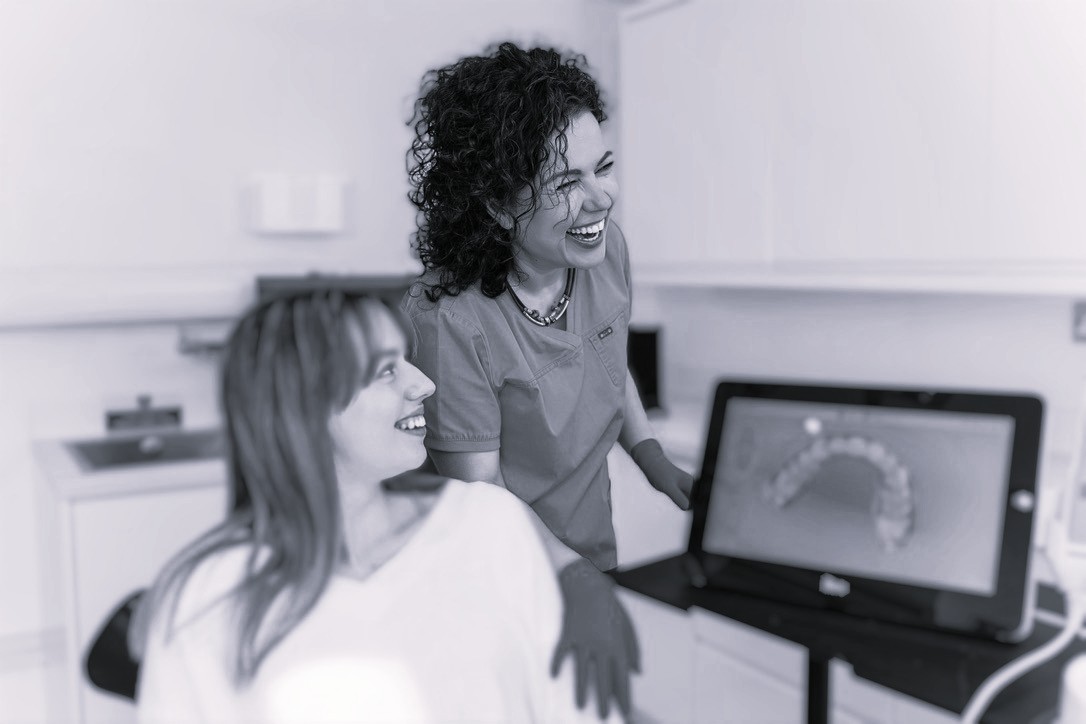
Full AssessmentWe use a digital scanner to record a detailed three-dimensional image of your teeth, avoiding the need for traditional dental impressions in most cases.
No Traditional ImpressionsThe digital information helps us plan the proportions, shape and position of your proposed veneers, so the final design is agreed and appropriate before any treatment begins.
Bespoke DesignA small amount of enamel may need to be removed to create space for a veneer and provide a secure, natural-looking fit. Treatment is kept as conservative as possible, although this step is often irreversible because prepared enamel does not grow back.
Conservative PreparationA digital scan is sent to the dental laboratory where your bespoke veneers are individually produced. Temporary veneers may be fitted during this time to protect your teeth.
Bespoke FabricationYour dentist will check the veneers' appearance, fit and effect on your bite before bonding them securely into position, with final adjustments and polishing completed at this appointment.
Final Fitting🛡️ No Pressure Approach — You will never be placed under pressure to proceed at any stage. The aim is a result that feels balanced and appropriate for you, not an identical smile for every patient.
Porcelain can provide a durable, highly natural-looking surface and is generally more resistant to staining than composite resin. However, veneers are not permanent and cannot be guaranteed to last for a particular length of time. They may eventually chip, loosen, wear or need replacing. The underlying teeth can still develop decay, and the gums around veneers remain susceptible to gum disease.
Care for veneers as you would your natural teeth. Brush twice daily with fluoride toothpaste, clean between your teeth every day and attend regular dental examinations and hygiene appointments. Avoid biting hard objects such as pens, fingernails or ice, and do not use veneered teeth to open packaging. Contact the practice if a veneer feels loose, becomes chipped or causes a change in your bite.
Porcelain veneers are not permanent in the sense that they may eventually need maintenance or replacement. However, the treatment is often considered irreversible because a small amount of enamel usually needs to be removed from the tooth before the veneer is fitted.
Teeth whitening will not change the shade of porcelain, so whitening may be recommended before veneer treatment if you would like a brighter overall colour. This allows the veneers to be matched to the lighter shade of your natural teeth.
If you clench or grind your teeth, your dentist may recommend a custom-made night guard to reduce the risk of damage to your veneers. This can significantly improve the longevity of your treatment.
The underlying teeth can still develop decay, and the gums around veneers remain susceptible to gum disease. Regular dental and hygiene appointments are essential to maintain the health of your teeth and the longevity of your veneers.
Buttercross Dental Practice welcomes patients from Bungay and the surrounding area who are considering porcelain veneers. Every smile is different, so we'll take the time to assess your teeth, discuss your goals and explain whether veneers are the most appropriate option or if another treatment may be more suitable.
If you are considering porcelain veneers, contact Buttercross Dental Practice to arrange a consultation. We will assess your oral health, discuss your preferences and clearly explain the treatment process, expected outcome, costs and suitable alternatives.
Care for veneers as you would your natural teeth. Brush twice daily with fluoride toothpaste, clean between your teeth every day and attend regular dental examinations and hygiene appointments to maintain both the veneers and the health of your surrounding teeth and gums.
Avoid biting hard objects such as pens, fingernails or ice, and do not use veneered teeth to open packaging. These habits can increase the risk of chipping or loosening a veneer. Contact the practice promptly if a veneer feels loose or causes a change in your bite.
No exact lifespan can be guaranteed, but porcelain veneers can last for many years when they are well planned and properly cared for. Their longevity depends on oral hygiene, bite forces, diet and habits such as teeth grinding. Regular review appointments help us monitor your veneers over time.
Our team is always happy to answer any questions about porcelain veneers. Contact us or arrange a consultation to discuss your options in person at Buttercross Dental Practice in Bungay.
