


Completing Invisalign® treatment is an important milestone — but it is not quite the end of the process. Maintaining your result is just as important as achieving it.
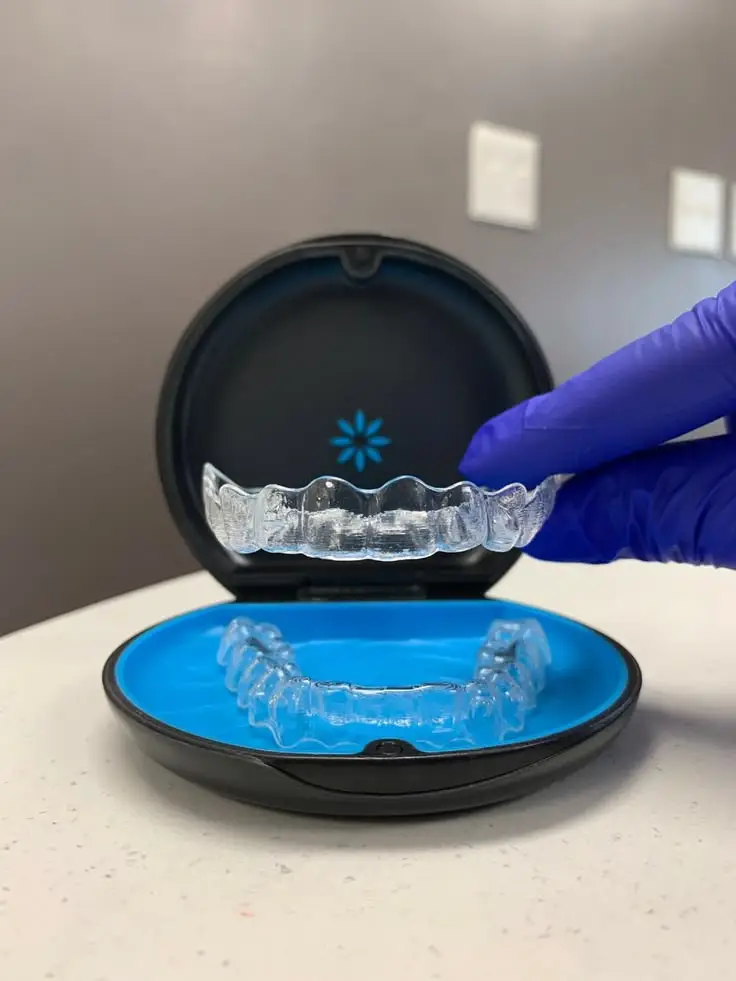
Once teeth have been moved into better positions, they need ongoing support to help them stay there. At Buttercross Dental Practice, we place great importance on retainers and aftercare because maintaining the result is just as important as achieving it in the first place.
Many patients are understandably focused on the active stage of treatment, when the aligners are gradually straightening the teeth. However, teeth have a natural tendency to shift over time. This can happen even after successful orthodontic treatment, and it is one of the main reasons retainers are recommended. Without proper retention, the teeth may begin to move back towards their previous positions, sometimes surprisingly quickly.
Our approach to Invisalign® aftercare is designed to protect the time, effort and investment that have gone into treatment. We take time to explain how retainers work, how often they should be worn, how to care for them properly, and why long-term follow-up matters. Clear advice at this stage helps patients feel confident about maintaining their new smile well into the future.

After orthodontic treatment, the teeth are not instantly fixed permanently in place. Although they may look straight at the end of Invisalign® treatment, the surrounding bone, gums and supporting tissues still need time to adapt to the new positions. During this period, and indeed over the longer term, there is a natural tendency for teeth to drift.
Retainers help hold the teeth in their corrected positions while the surrounding structures stabilise. They also protect against the gradual movement that can happen with age, everyday biting forces, grinding, and natural changes in the mouth over time.
This is not unique to Invisalign®. Retainers are a standard and essential part of orthodontic care, whether treatment has been carried out with clear aligners or fixed braces. In many cases, the success of treatment depends just as much on long-term retainer wear as it does on the alignment process itself.
At Buttercross Dental Practice, we explain retention clearly from the outset so that patients understand this is not an optional extra, but an important part of protecting the result.
Surrounding bone, gums and supporting tissues need time to fully adapt to new tooth positions after treatment ends.
Teeth have a natural tendency to drift over time — a process that continues regardless of how successful alignment was.
Retainers hold corrected positions while structures stabilise, guarding against forces from biting, grinding and ageing.
Retention is a standard, essential part of all orthodontic care — clear aligners or fixed braces alike.
Custom-made appliances designed to maintain your final tooth positions, crafted specifically for your completed smile.
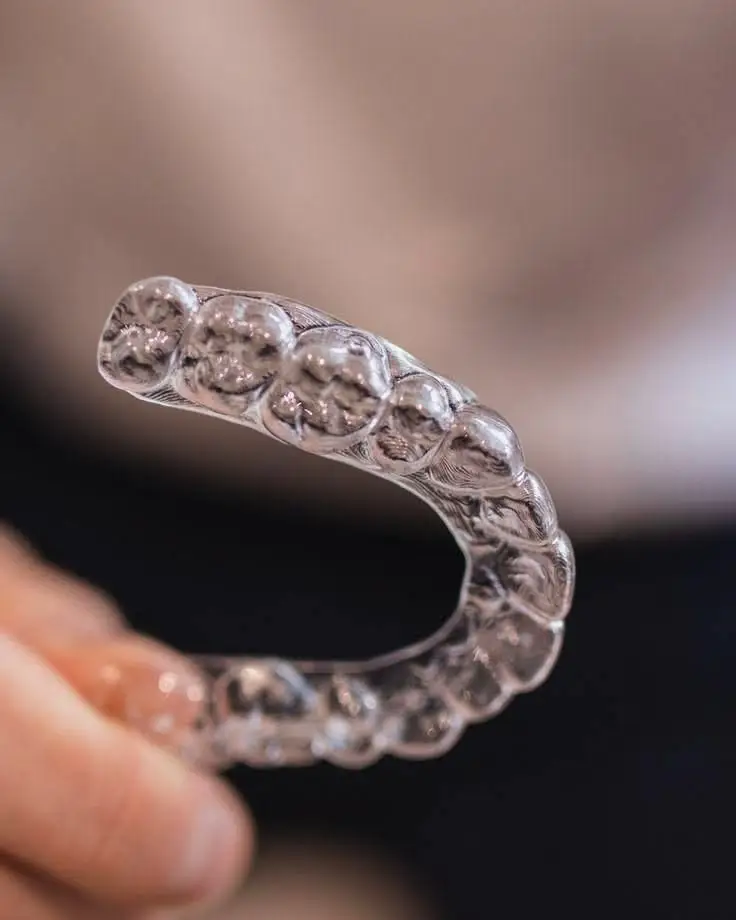
Retainers after Invisalign® are usually clear, custom-made appliances designed to fit closely over the teeth, in a similar way to aligners. They are made to maintain the final tooth positions rather than move the teeth further.
Because they are custom-made, retainers should feel secure and closely fitted when first provided. They are designed specifically for your smile once treatment is complete, and they play a key role in keeping everything stable.
In some cases, other forms of retention may also be discussed depending on the nature of the treatment, the stability of the result and the patient's preferences. The most appropriate type will depend on the individual clinical situation.
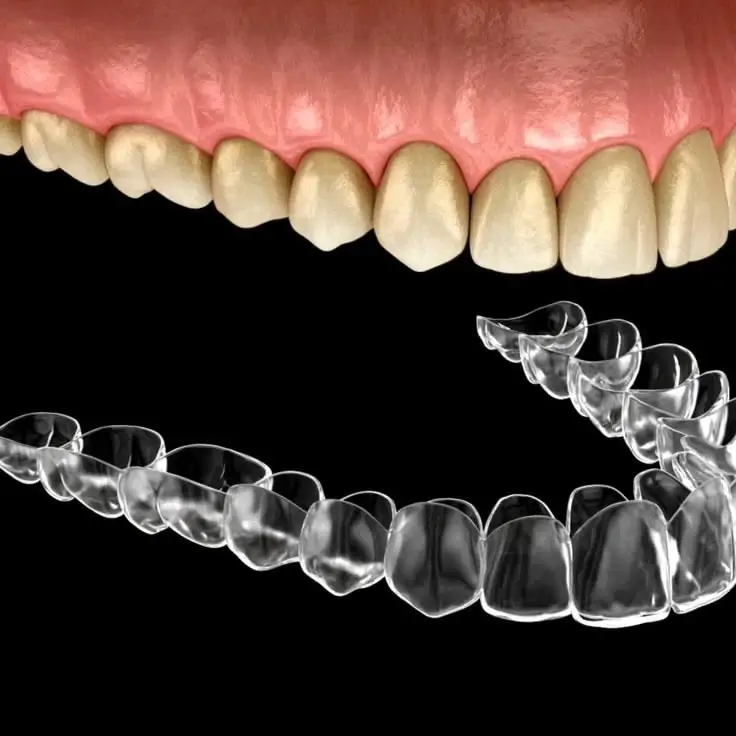
Retainer wear varies depending on the stage of aftercare and the details of the individual case. Immediately after Invisalign® treatment, patients are often advised to wear retainers more consistently to help maintain the freshly aligned result. Over time, the routine may change depending on how stable the teeth appear and what has been recommended clinically.
It is very important to follow the instructions given, rather than assuming the retainers can simply be worn occasionally. Inconsistent wear is one of the most common reasons for unwanted tooth movement after orthodontic treatment.
If retainers are not worn as advised, they may begin to feel tight when reinserted. This can be an early sign that the teeth have already started to shift. If the movement continues, the retainers may eventually stop fitting properly altogether, which can mean further treatment is needed to correct the relapse.
For that reason, we encourage patients to think of retainer wear as a normal part of looking after their smile, much like brushing and attending regular dental examinations.
Understanding each stage of retainer aftercare helps protect your result for the long term.
Retainers worn consistently to maintain the freshly aligned result as surrounding tissues begin to adapt.
Regular wear continues under clinical guidance. Routine is monitored and adjusted based on stability of the teeth.
Retainer wear becomes a normal part of oral care — like brushing and attending regular dental examinations.
Teeth can shift throughout life. Long-term retainer wear is the most reliable way to preserve your Invisalign® result.
If retainers are left out for prolonged periods, the teeth may move — sometimes more quickly than patients expect.
Teeth can drift back towards their original positions. This can happen even in the weeks immediately after treatment ends.
Crowding may return, particularly in the front teeth, affecting the appearance of the smile.
Small gaps that were closed during treatment may begin to reopen if retention is not maintained.
The way the upper and lower teeth meet can change, affecting both comfort and function.
Once teeth have shifted sufficiently, retainers may stop fitting correctly, requiring replacement or further treatment.
Orthodontic relapse can be frustrating. Good aftercare significantly reduces the risk of needing repeat treatment.
Retainers need to be looked after properly so that they remain clean, effective and comfortable to wear. Because they fit closely over the teeth, it is important that both the retainers and the teeth themselves are kept clean.
Poorly maintained retainers can develop deposits, odour or staining over time. They may also become damaged if they are not stored properly. A cracked or distorted retainer may not hold the teeth effectively and should be assessed promptly.
If a retainer is lost, broken or no longer fits, it is important to contact the practice rather than leaving it for weeks or months. The sooner the problem is addressed, the better the chance of preventing unwanted tooth movement.
Brush teeth thoroughly before wearing retainers to prevent bacteria being trapped underneath.
Clean the retainers regularly as instructed to prevent deposits, odour and staining building up.
Store retainers safely in their case when not in use. Never wrap in tissue or napkins where they can be lost.
Keep retainers away from heat sources which may distort the material and affect their fit.
Bring retainers to review appointments if asked so fit and condition can be assessed.
If a retainer is lost, broken or no longer fits — contact the practice promptly rather than waiting.
Invisalign® aftercare is about more than simply handing over retainers at the end of treatment. It also includes ongoing monitoring of the teeth, bite and oral health.
This stage is especially important for adults who may have a history of gum problems, tooth wear or previous orthodontic relapse. It is also valuable for teenagers and younger patients whose mouths may still be changing.
Regular dental examinations remain essential. Straight teeth still need healthy gums, good brushing habits and routine preventive care. Orthodontic treatment improves alignment, but it does not remove the need for ongoing general dental care.
Stability CheckChecking that the final result is stable and the teeth have settled well in their new positions.
Retainer AssessmentAssessing the fit and condition of retainers to ensure they are performing effectively.
Oral Hygiene ReviewReviewing oral hygiene and gum health as part of comprehensive aftercare monitoring.
Grinding & Bite MonitoringMonitoring for signs of grinding, clenching or bite-related wear that may affect long-term stability.
Long-Term GuidanceAdvising on long-term maintenance so patients feel fully supported beyond the active treatment phase.
Comfort & ConcernsDiscussing any concerns about shifting or retainer comfort to address issues before they progress.
Yes. Teeth can continue to move gradually throughout life, even many years after orthodontic treatment. This is one reason why long-term retention is so important.
Natural ageing changes, everyday function, tooth wear, gum health and habits such as grinding can all influence the position of the teeth over time. Some patients seek Invisalign® as adults specifically because they had braces when they were younger but did not maintain retention and noticed the teeth shift again later.
For this reason, patients should think of retainers as a long-term protective measure. Wearing them as advised helps preserve the result and reduces the risk of needing repeat orthodontic treatment in future.
If you notice that your retainers are becoming tight, no longer fit properly, or your teeth appear to be shifting, it is best to seek advice sooner rather than later. Early assessment can help determine whether the issue is minor or whether further treatment may be needed.
The important thing is not to ignore the problem. Delaying can allow more movement to occur, making correction more complicated later.
For many patients, Invisalign® is part of a wider investment in their smile and oral health. Retainers help protect that investment. They are not simply an extra appliance at the end of treatment, but part of the long-term plan for maintaining stable, attractive alignment.
Patients who go on to have treatments such as whitening, composite bonding or other cosmetic improvements often benefit even more from good retention, as it helps preserve the tooth positions on which those treatments are based.
At Buttercross Dental Practice, we aim to make aftercare straightforward, practical and well supported. We want patients to feel informed, not uncertain, about what happens after treatment ends.
If you are nearing the end of Invisalign® treatment, have concerns about your retainers, or have noticed movement since previous orthodontic treatment, contact Buttercross Dental Practice to arrange an appointment. We can assess the stability of your smile, check retainer fit, and advise on the most appropriate next steps.
With personalised aftercare, clear guidance and a calm, professional approach, we help patients in Bungay and the surrounding area protect their Invisalign® results for the long term. Straightening the teeth is only part of the journey. Keeping them that way matters just as much.
Clear answers to the questions we hear most often about Invisalign® retainers and aftercare.