


Teeth grinding, also known as bruxism, is a common condition in which people clench or grind their teeth, often without realising it. At Buttercross Dental Practice, we provide assessment and management options for patients who may be affected by bruxism, helping to protect their teeth and reduce associated discomfort.
Bruxism can occur during the day or while you are asleep. Night-time teeth grinding is particularly common and can be difficult to detect without a dental assessment, as many people are unaware they grind their teeth until signs of wear become apparent or a partner notices the sound.
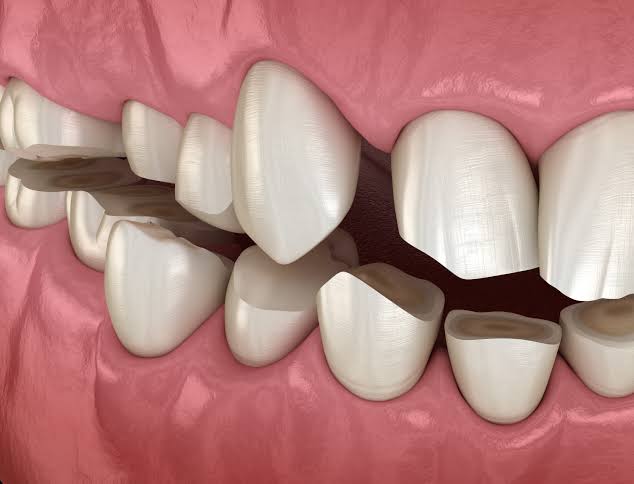
Bruxism can cause a range of symptoms, some of which may not seem directly related to your teeth. If you notice any of the following, it is worth mentioning them at your next dental appointment so we can assess it properly.
Common signs and symptoms include:
Not everyone with bruxism will experience all of these symptoms. Some people have no noticeable discomfort but still show significant signs of wear during a routine dental examination.
The exact cause of bruxism is not always clear, and in many cases a combination of factors may be involved. Stress and anxiety are commonly associated with teeth grinding, particularly in adults. Sleep disorders, certain lifestyle habits and some medications may also play a role.
Bruxism is also relatively common in children, although it often resolves on its own as they grow. In adults, it may persist or develop at any age. Understanding any underlying contributing factors can help your dentist recommend the most appropriate management approach for your situation.
Some factors that may be associated with bruxism include emotional stress, anxiety, sleep apnoea, caffeine or alcohol consumption, and the use of certain medications. As part of your assessment, we'll discuss your symptoms, general health and lifestyle to help identify any contributing factors and recommend the most appropriate management for you.
Emotional stress and anxiety are among the most commonly associated factors with bruxism in adults.
Many people grind their teeth while they sleep without realising it.
Caffeine, alcohol and certain medications may contribute to teeth grinding.
There is no single cure for bruxism, but there are effective ways to manage the condition and reduce its impact on your teeth and overall wellbeing. The most common dental approach is the provision of a custom-made occlusal splint, sometimes called a night guard or bite guard.
An occlusal splint is a removable appliance, usually worn at night, that creates a protective barrier between the upper and lower teeth. It is made from a hard or soft dental material and is custom-fitted to your mouth using a digital scan ,providing a comfortable and precise fit. While a splint does not stop the grinding itself, it can help protect the teeth from further wear and may reduce jaw muscle tension.
Depending on what may be contributing to your bruxism, we may also discuss lifestyle measures or, where appropriate, recommend that you seek further advice from your GP or another healthcare professional.
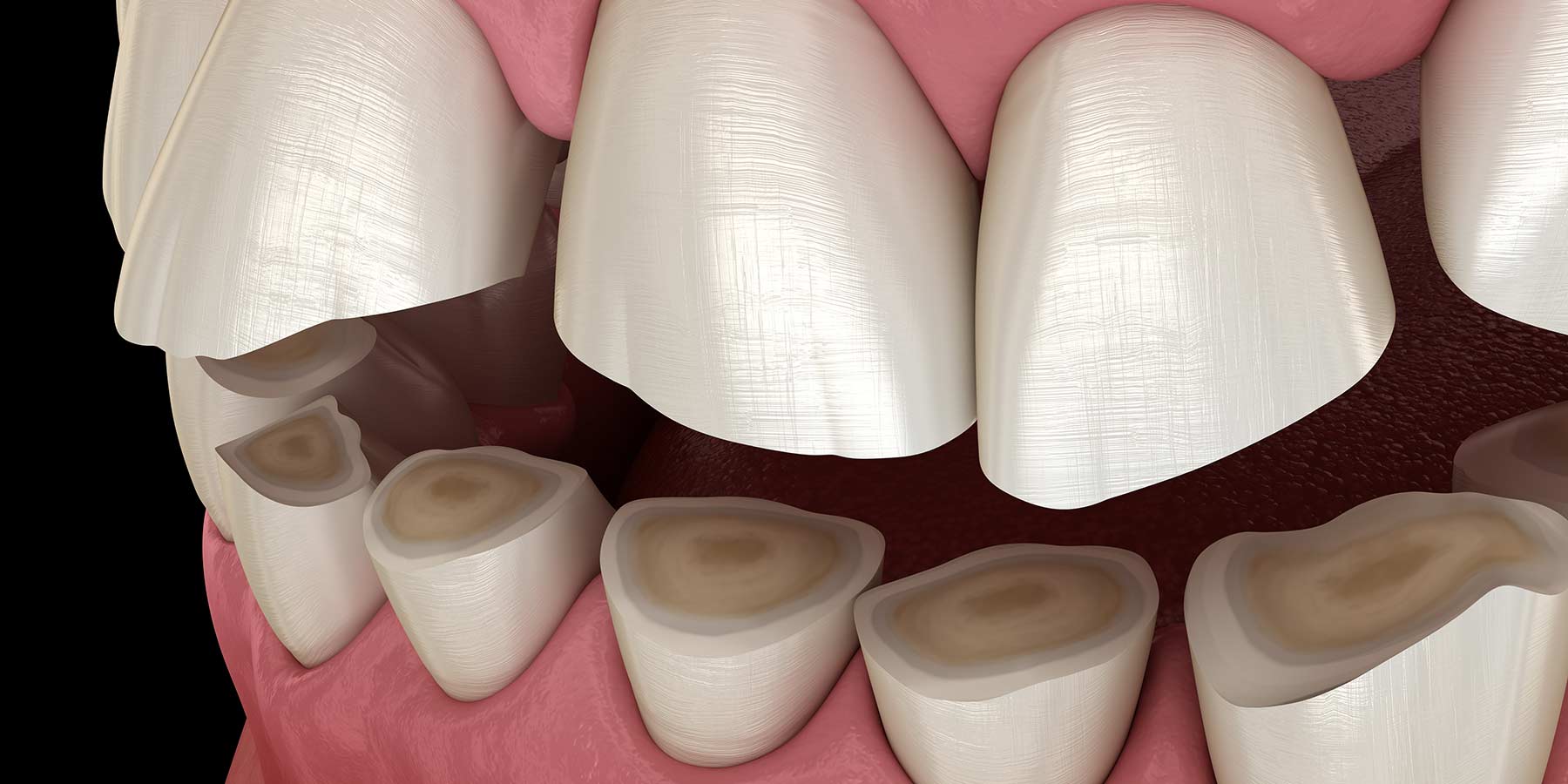
If you're concerned about teeth grinding, jaw pain or signs of tooth wear, we'd be happy to help. We'll carefully assess your teeth, discuss your symptoms, and recommend the most appropriate way to help protect your teeth and relieve any associated discomfort.
📅 Book Your Appointment