


Root canal treatment can help save a natural tooth when the soft tissue at its centre becomes inflamed or infected. At Buttercross Dental Practice, we provide careful, patient-focused treatment to relieve discomfort, remove infection and restore the tooth's function wherever possible.
We understand that the tought of root canal treatment can sound daunting. However, modern techniques and local anaesthetic make the procedure more comfortable than many patients expect. We will explain each stage clearly, answer your questions and help you feel at ease throughout your treatment.
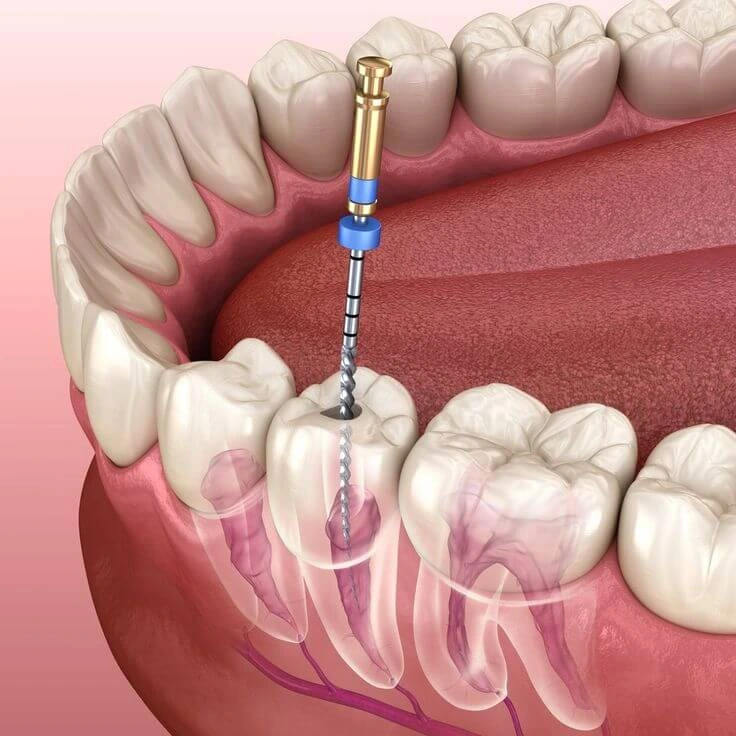
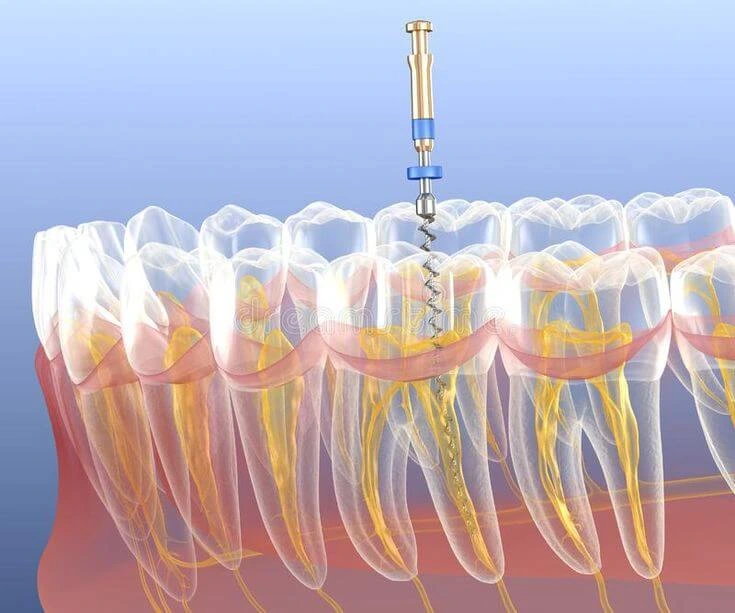
Inside every tooth is a soft tissue called the dental pulp, which contains nerves and blood vessels. If bacteria reach this tissue through deep decay, a crack, trauma or a failing filling, the pulp can become inflamed or infected. Without treatment, the infection may spread into the tissues surrounding the root and lead to an abscess.
Possible signs that a tooth requires assessment include:
In some cases, an infected tooth causes few or no noticeable symptoms and is only identified during a dental examination or on an X-ray. These symptoms can also have other causes, so an assessment is needed to determine the most appropriate treatment.
We will examine the tooth and take X-rays to assess its roots and the surrounding bone. If root canal treatment is recommended, we will explain the procedure, relevant risks, alternatives and expected costs before asking for your consent.
Local anaesthetic is used to numb the tooth and surrounding area, helping to keep you comfortable throughout the procedure. A small opening is made in the tooth so the inflamed or infected pulp can be carefully removed. The root canals are then cleaned, shaped and disinfected to reduce bacteria.
Once prepared, the canals are filled and sealed to help prevent reinfection. Depending on the tooth and the complexity of treatment, the procedure may be completed in one visit or over multiple appointments. A temporary filling may be placed between visits where necessary.
Careful assessment of the tooth, roots and surrounding bone.
The area is numbed to ensure you are comfortable throughout the procedure.
The root canals are cleaned, disinfected and sealed to help prevent reinfection.
A tooth that has had root canal treatment can be more vulnerable to fracture, particularly if it has already lost a significant amount of tooth structure through decay or previous fillings. After treatment, it is important to protect the tooth with a suitable permanent restoration.
In some cases, a filling will provide sufficient protection. However, if the tooth has been heavily weakened, particularly a back tooth that is exposed to greater biting forces, we may recommend an onlay or crown to help strengthen and protect it.
At Buttercross Dental Practice, we use digital scanning technology to plan custom-made restorations without the need for traditional dental impressions.
We'll discuss the most appropriate option with you based on the amount of healthy tooth remaining, the position of the tooth and your bite.
If you have persistent toothache, sensitivity or swelling, we'd be happy to help. Prompt assessment may improve the chances of saving the affected tooth. We'll carefully assess the problem, explain your treatment options clearly, and help you make an informed decision about your care.
📅 Book Your Assessment