


When a child's teeth are not developing in the way you expected, it is natural to have questions about what treatment may help and when the right time is to act might be.
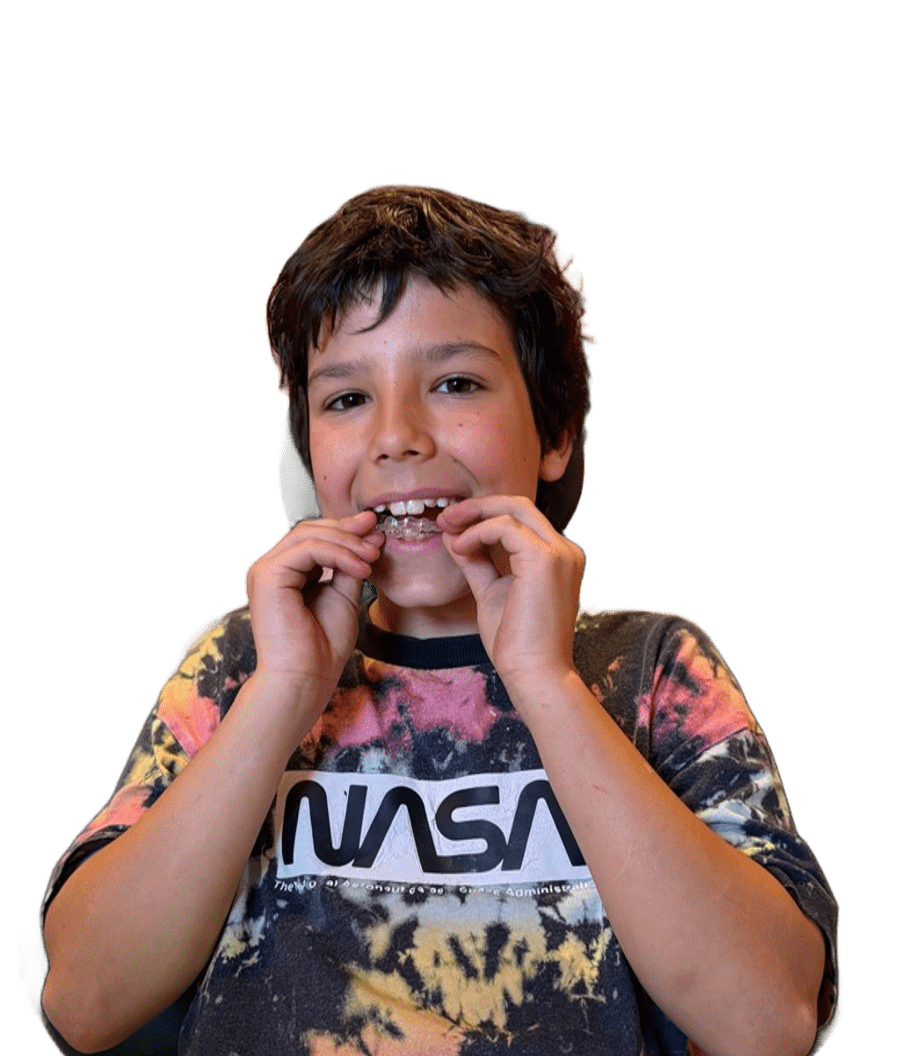
At Buttercross Dental Practice, we offer Invisalign® consultations for children as part of a careful, personalised approach to early orthodontic assessment. Our aim is to understand how your child's teeth, jaws and bite are developing, identify any concerns clearly, and explain the most appropriate options in a straightforward and reassuring way.
Invisalign® for children may be suitable in selected cases where early orthodontic guidance could help manage developing problems. For some families, the appeal lies in the more discreet appearance of clear aligners and the convenience of a removable appliance. However, early orthodontic treatment is never recommended simply because it is available. It should only be considered when there is a genuine clinical reason and when the child is likely to manage the appliance responsibly.
That is why a proper consultation is so important. We take time to assess not just the position of the teeth, but also the way the bite is forming, the condition of the gums, the child's oral hygiene, and whether treatment at this stage is likely to be beneficial.

Invisalign® for children is a clear aligner system designed for younger patients whose teeth and jaws are still developing. It is intended to guide tooth movement gradually using a series of custom-made removable aligners. In some cases, this may help create space for erupting teeth, improve certain bite problems, or reduce the severity of crowding as the mouth develops.
Because children are still growing, treatment planning needs to be especially careful. Orthodontic concerns in childhood can be more complex than simple crooked teeth. A child may appear to have a cosmetic issue, but the underlying concern could involve jaw development, spacing, retained baby teeth, or the way the upper and lower teeth meet together.
At Buttercross Dental Practice, we assess these factors thoroughly before advising whether Invisalign® is appropriate. In some cases, early treatment may be helpful. In others, monitoring growth and waiting until more adult teeth have erupted may be the wiser option.
A series of custom-made removable aligners guide tooth movement gradually as the mouth develops.
Designed specifically for younger patients whose teeth and jaws are still developing and changing.
We assess all factors thoroughly before advising whether Invisalign® or another option is most appropriate.
In some cases early treatment is helpful; in others, monitoring growth until more adult teeth have erupted is wiser.
One of the most important parts of a child's orthodontic consultation is identifying the specific problem that needs attention. Suitability always depends on the individual child.
Crowded teeth, where there is not enough space for the teeth to come through properly, and spacing between teeth, including gaps that affect the appearance or function of the bite.
Crossbite, where some upper teeth bite inside the lower teeth. Mild to moderate overbite, where the upper front teeth overlap the lower teeth more than expected. Mild underbite tendencies in selected cases.
Narrow dental arches, teeth erupting in an unfavourable position, relapse after previous interceptive orthodontic treatment, minor rotations, and loss of space following premature loss of baby teeth.
Some children may also show signs that orthodontic assessment is needed even if the teeth do not seem obviously crooked at first glance. These can include difficulty biting, speech concerns linked to tooth position, mouth breathing, thumb-sucking effects, or a bite that looks uneven as the adult teeth begin to erupt.
It is important to say that not all of these issues are best treated with Invisalign®. Some bite problems are better managed with different orthodontic appliances, and some children may need referral to a specialist orthodontist depending on the complexity of the case.

A child does not need to wait until all adult teeth have erupted before having an orthodontic assessment. In fact, some concerns are better identified early, particularly if the bite is developing asymmetrically or there are signs of crowding, crossbite or abnormal eruption patterns.
Parents often seek advice because they notice teeth coming through in the wrong place, baby teeth not falling out when expected, adult teeth erupting behind or in front of other teeth, a noticeably crowded or overlapping smile, difficulty cleaning between crowded teeth, upper and lower teeth not meeting properly, teeth that protrude significantly, a child biting the roof of the mouth or the cheeks, or concerns about confidence due to the appearance of the teeth.
At Buttercross Dental Practice, we can assess whether the concern is something that should be monitored, treated now, or reviewed at a later stage. Reassurance can be just as valuable as treatment, particularly if things are developing normally.
A thorough, careful assessment covering all aspects of your child's developing dental health.
The consultation begins with a detailed conversation with both parent and child about concerns, dental history and any habits affecting development.
A careful examination of the teeth, gums and bite to assess eruption, available space, arch development and any orthodontic concerns.
Digital scanning is often used to capture a highly accurate three-dimensional image without traditional impressions — particularly helpful for children.
X-rays and clinical photographs may be recommended to assess erupting teeth, root development, retained baby teeth or jaw relationships.
Successful aligner treatment depends heavily on cooperation and clinical suitability. We always advise honestly.
Because the aligners are removable, the child must be willing and able to wear them for around 20 to 22 hours each day unless advised otherwise.
They must remove aligners for eating and drinking anything other than water, then clean both the teeth and the aligners properly before putting them back in.
If a child is likely to lose the aligners or struggle with the routine, a fixed appliance can sometimes be the better choice as it does not depend as heavily on daily compliance.
More severe crowding, significant jaw discrepancies, impacted teeth, complex bite problems or skeletal issues may require different orthodontic planning.
Some children may need referral to a specialist orthodontist depending on the complexity of the case. If that is the case, we will explain it clearly and honestly.
Early orthodontic treatment is never recommended simply because it is available. We always advise based on genuine clinical need and individual assessment.
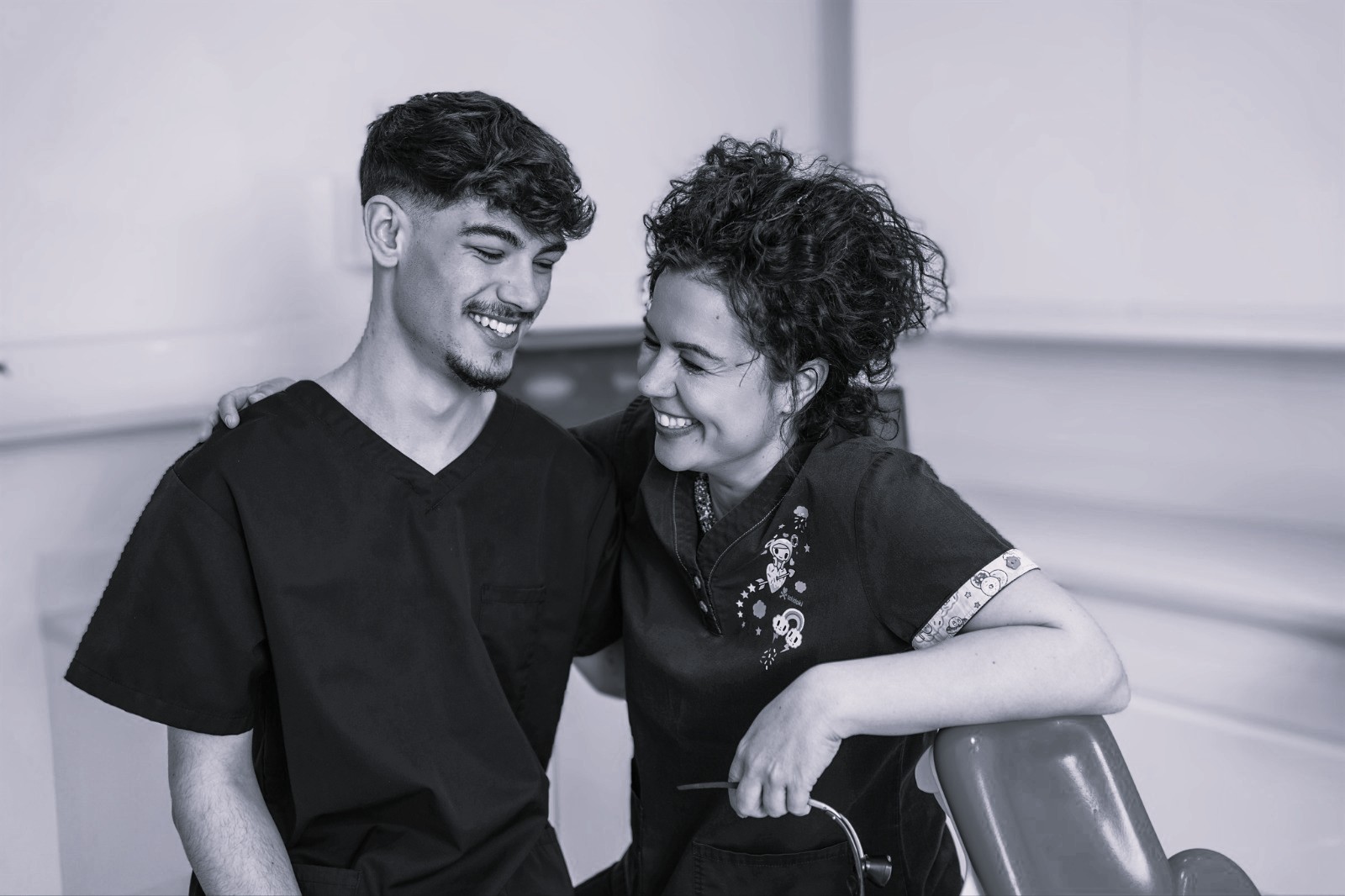
For the right child and the right orthodontic concern, Invisalign® may offer several practical benefits. Many parents also appreciate being able to understand treatment visually through digital records and planning. This can help make the process feel more predictable and easier to explain to the child.
What are the limitations and responsibilities? While Invisalign® can be convenient, it does require commitment from both the child and the parent. Aligners must be worn consistently and changed according to instructions. Missed wear can affect progress and may lengthen treatment.
Children also need ongoing support with oral hygiene. If aligners are worn over unclean teeth, plaque can build up more easily and increase the risk of tooth decay, gum irritation and bad breath.
A more discreet appearance than traditional fixed braces for children who are conscious about their smile.
Smooth aligners without brackets or wires, which can be more comfortable for many children.
The ability to remove the appliance for eating means fewer dietary restrictions compared to fixed braces.
Easier brushing and flossing compared with some fixed appliances, supporting better oral health during treatment.
Digital treatment planning helps families understand the process visually, making it feel more predictable.
A gradual, structured approach to tooth movement with greater comfort for many children throughout treatment.
Good oral hygiene remains essential throughout treatment. Your child should brush twice daily with fluoride toothpaste and clean carefully between the teeth each day where possible. Aligners should be cleaned as instructed and stored safely when not in use.
Regular dental examinations are also important so that we can monitor both orthodontic progress and general oral health. If your child has a history of decay, enamel weakness or inconsistent brushing, these factors must be taken seriously before and during treatment.
We will always explain how to look after the aligners, what to do if one is lost or broken, and when to contact us if something does not seem right.
Consistent WearAligners must be worn consistently and changed according to instructions. Missed wear can affect progress and may lengthen treatment significantly.
Oral Hygiene SupportChildren need ongoing support with oral hygiene. Aligners worn over unclean teeth increase the risk of tooth decay, gum irritation and bad breath.
Future Treatment PossibleAligner treatment does not automatically solve every concern. Some children may still need further orthodontic treatment later as more adult teeth erupt.
Guidance and ReductionEarly treatment is sometimes about guidance and reduction of future problems, rather than a complete and final result at a young age.
Lost or Broken AlignersWe will always explain what to do if an aligner is lost or broken, and when to contact us if something does not seem right during treatment.
Regular ExaminationsRegular dental examinations remain important throughout treatment to monitor both orthodontic progress and general oral health.
Parents should also understand that aligner treatment does not automatically solve every concern. Some children may still need further orthodontic treatment later as more adult teeth erupt and the jaws continue to develop. Early treatment is sometimes about guidance and reduction of future problems, rather than a complete and final result at a young age.
With digital scanning, thoughtful assessment and a calm, no-pressure approach, we aim to help families understand their options clearly and make decisions that support both confidence and long-term dental health.
If you are concerned about crowding, spacing, bite problems or the way your child's teeth are developing, contact Buttercross Dental Practice to arrange an Invisalign® consultation for children. We will assess your child's smile carefully, identify any developing dental problems, and explain whether Invisalign® or another option may be appropriate.
A child does not need to wait until all adult teeth have erupted before having an orthodontic assessment. In fact, some concerns are better identified early, particularly if the bite is developing asymmetrically or there are signs of crowding, crossbite or abnormal eruption patterns.
At Buttercross Dental Practice, we can assess whether the concern is something that should be monitored, treated now, or reviewed at a later stage. Reassurance can be just as valuable as treatment, particularly if things are developing normally.
Invisalign® for children is part of a wider investment in your child's smile and oral health. Early orthodontic guidance, when appropriate, can help reduce the severity of future problems and support the development of a healthy, confident smile.
At Buttercross Dental Practice, we aim to make the consultation straightforward, practical and well supported. We want families to feel informed, not uncertain, about what options are available and what the right approach might be for their child.
With digital scanning, thoughtful assessment and a calm, no-pressure approach, we aim to help families understand their options clearly and make decisions that support both confidence and long-term dental health.

If you are concerned about crowding, spacing, bite problems or the way your child's teeth are developing, contact Buttercross Dental Practice to arrange an Invisalign® consultation for children. We will assess your child's smile carefully, identify any developing dental problems, and explain whether Invisalign® or another option may be appropriate.
With digital scanning, thoughtful assessment and a calm, no-pressure approach, we aim to help families understand their options clearly and make decisions that support both confidence and long-term dental health.
Clear answers to the questions we hear most often about Invisalign® for children at Buttercross Dental Practice.